
Reviewed · GOBI DESERT TOURS
Discover / 8 day Great Gobi and Central Mongolia
Mongolia changes its scenery by the hour. This 8-day journey links the Gobi Desert with the greener Orkhon Valley, adding a camel ride, a horse ride, ancient monasteries, dinosaur country, and the giant Chinggis Khaan statue. I especially like the wide range of scenery and the chance to experience both camel and horseback travel. The main drawback is comfort: expect long drives, rough roads, cold ger camps, and basic toilets.
The $1,425 price includes a 4WD vehicle, driver, English-speaking guide and cook, accommodation, meals, bottled water, entrance fees, and both animal rides. Guides and drivers named by the company include Zaya and Davaa, as well as Baina and Nomin, depending on the departure team. They are praised for being friendly, helpful, and good at explaining everyday Mongolian life. Still, you should pack as if this is an expedition, not a soft hotel tour.
In This Review
- Key points before you book
- Why this eight-day route works
- Day 1: Chinggis Khaan and the granite rocks of Baga Gazriin Chuluu
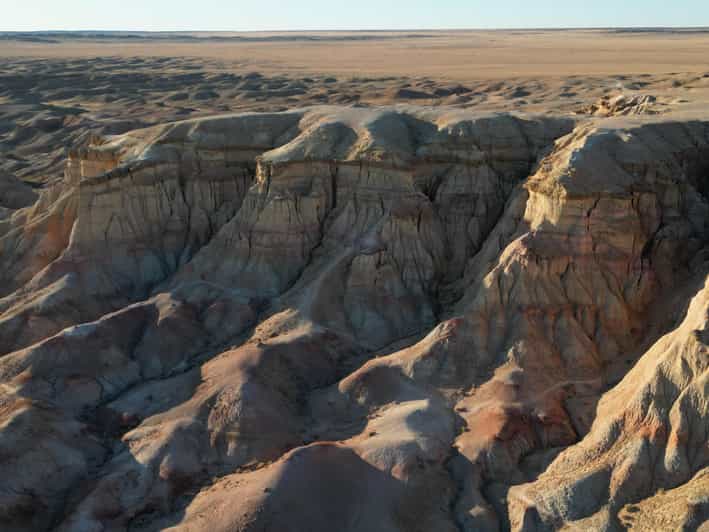
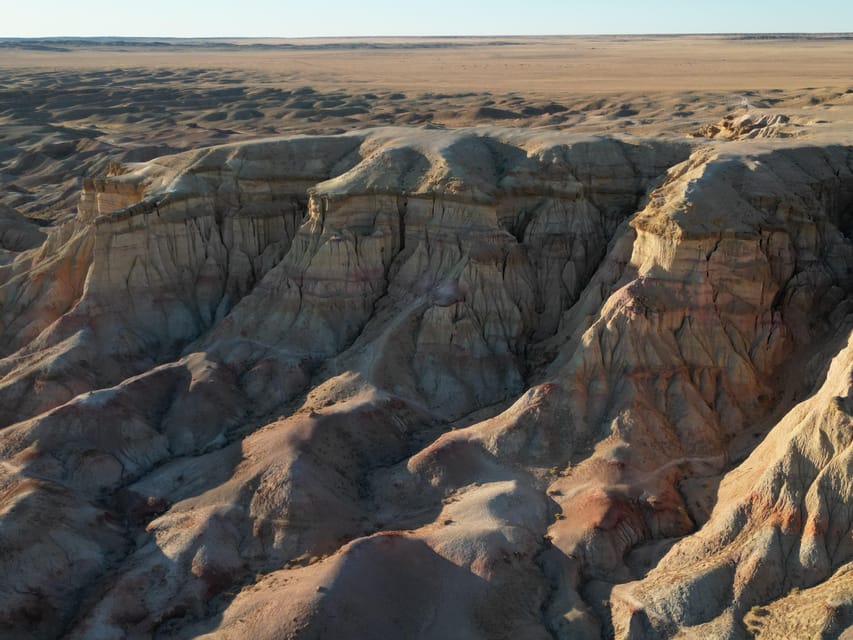
- Day 2: White Stupa and the colors of Tsagaan Suvarga
- Day 3: Walking into Yol Valley
- Day 4: Khongor Sand Dunes by camel
- Day 5: Flaming Cliffs and the ruins of Ongi Monastery
- Day 6: Orkhon Waterfall and horseback riding
- Day 7: Kharkhorin and Erdene Zuu Monastery
- Day 8: Returning to Ulaanbaatar
- What the $1,425 price really covers
- Ger camps, showers, roads, and other practical realities
- Who should book this Mongolia tour?
- Should you book the Great Gobi and Central Mongolia tour?
- FAQ
- Where does the tour begin?
- Where does the tour end?
- Are meals included?
- Are camel and horse rides included?
- Is accommodation included?
- What should I bring?
- Is travel insurance included?
Key points before you book
- Two very different Mongolias: See the dry Gobi, red cliffs, and singing dunes before reaching the open grasslands and waterfalls of Orkhon Valley.
- Camel riding at Khongor: The ride gives you a slow, high view of the desert and adds a memorable hands-on part to the Gobi visit.
- Horseback riding in Orkhon Valley: You ride in one of Mongolia’s most important cultural and natural areas.
- Ger stays are part of the deal: Some camps have showers, while others do not. Toilets are basic, and nights can be cold.
- A lot of time in the vehicle: Mongolia is vast, and some roads are rough tracks rather than smooth highways.
- Strong value at $1,425: Transport, meals, accommodation, park fees, water, guide, cook, camel, and horse rides are all included.
Why this eight-day route works
This tour is built around contrast. You begin near Ulaanbaatar and the Chinggis Khaan statue, cross dry country toward the Gobi, then turn north toward the Orkhon Valley and the old capital of Kharkhorin. It is not a slow stay in one region. It is a broad sampler of Mongolia.
That variety is the tour’s biggest strength. In one trip, you see granite outcrops, chalky cliffs, ice in a desert valley, giant dunes, fossil country, monastery ruins, waterfalls, grasslands, and Buddhist architecture. The scenery keeps changing, which helps make the long drives feel worthwhile.
The trade-off is simple: you cover a large amount of ground in eight days. You will spend many hours in a 4WD vehicle, sometimes on rugged paths. If you want long walks, relaxed mornings, or several nights in one place, this route may feel rushed. If you want to see as much of southern and central Mongolia as possible, it makes good use of your time.
More Gobi Desert trips:
- Ulaanbaatar: Semi-Gobi Desert Day Trip & Camel Ride
★ 4.0 · 92 reviews - From Ulaanbaatar: Semi Gobi, Nomads, Ancient Kharkhorin Tour
★ 4.6 · 84 reviews - 1 Day Semi-Gobi All-included tour
★ 4.0 · 69 reviews
Day 1: Chinggis Khaan and the granite rocks of Baga Gazriin Chuluu
Pickup begins at your Ulaanbaatar hotel at about 9 a.m. The first major stop is the Chinggis Khaan Statue Complex, home to the world’s largest equestrian statue. The scale is the point. You can see the mounted ruler from a great distance, then visit the museum at the complex for more context.
This is a useful opening stop because it introduces the national figure whose name is woven through Mongolian history and modern identity. It also gives you an early cultural sight before the route turns toward open country.
Later, you visit Baga Gazriin Chuluu, a striking group of granite rock formations in the Gobi region. The bare stone creates a sharp change from the urban setting of Ulaanbaatar. It is a good first taste of Mongolia’s dry, open terrain without yet reaching the more famous desert sights.
Lunch and dinner are included on the first day. You sleep in a ger hostel with a shower. That shower matters, because facilities become more limited later in the journey.
Day 2: White Stupa and the colors of Tsagaan Suvarga
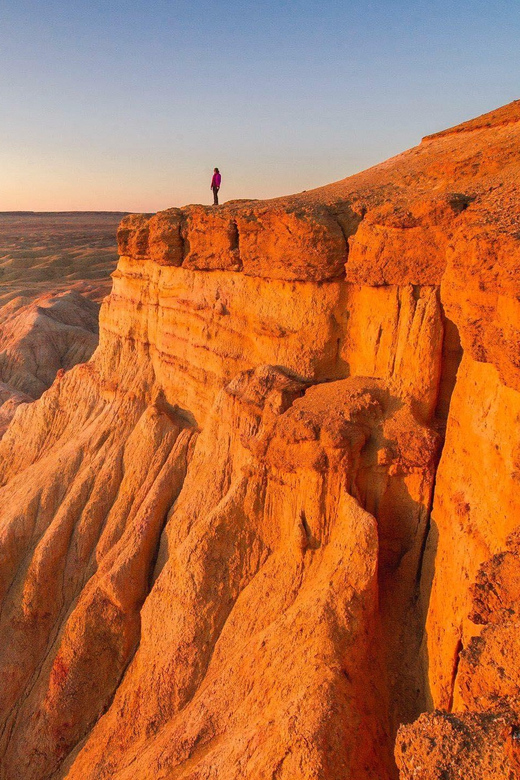
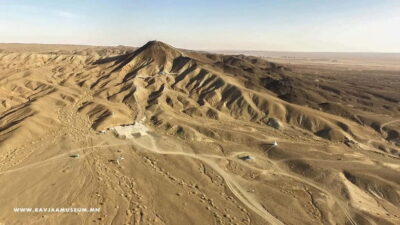
The second day centers on Tsagaan Suvarga, usually translated as White Stupa. This natural formation was shaped by erosion over a very long period. From a distance, its pale cliffs can look like a ruined city or a line of towers, which explains the name.
The attraction is primarily visual. You get broad views across layered rock and dry earth, with colors that change according to the light. It is a good place for photographs, but the bigger reward is seeing how much texture exists in what first appears to be an empty desert.
Breakfast, lunch, and dinner are included. You stay in a ger hostel with a shower. The repeated ger accommodation gives you a real sense of how this route operates: the camps provide shelter and meals, but they are not designed to offer hotel-level comfort.
Day 3: Walking into Yol Valley
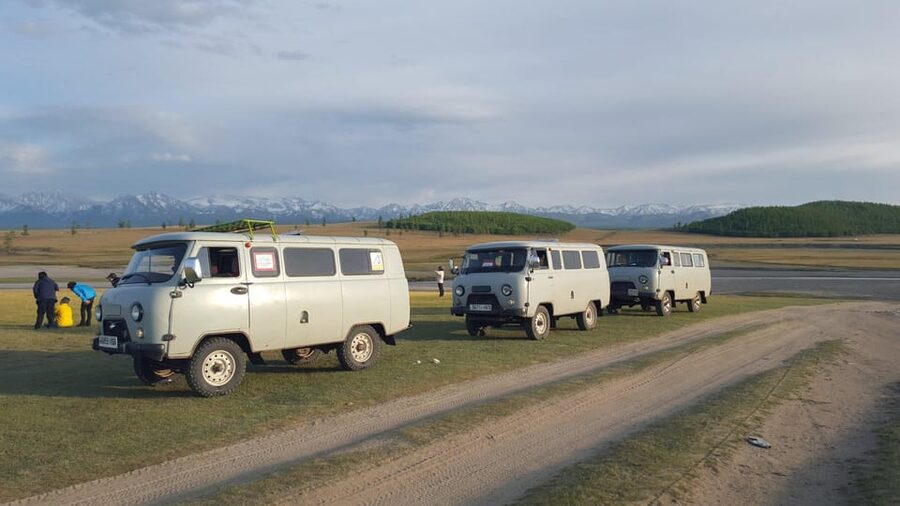
Yol Valley is one of the most unusual stops in the Gobi Gurvan Saikhan National Park. The valley cuts through dramatic mountain terrain, creating a cooler setting inside the desert region. The planned activity is a trek through the valley, so bring sturdy footwear and be ready for an uneven walk.
The appeal here is the surprise. Many people picture the Gobi as nothing but sand, yet Yol Valley offers a narrow mountain environment and the possibility of ice in a place known for heat and dryness. The contrast helps you understand that the Gobi is a large ecological region, not one single type of desert.
This is one of the nights without a shower. Bring your own towel, personal medication, and basic washing supplies. A sleeping bag is provided, but one customer specifically warned that the ger camps can feel cold even with the sleeping bag. Pack warm layers for the night, even if the daytime weather feels mild.
More central Mongolia routes:
- From Ulaanbaatar: Central Mongolia Guided 3-Day Tour
★ 4.6 · 186 reviews - Ulaanbaatar: Small Group 3-Day Best of Central Mongolia Tour
★ 4.1 · 171 reviews - Central Mongolia Guided 3-Day Comfortable Tour
★ 4.5 · 37 reviews - 4 Day Best of Central Mongolia tour, Chinggis Khan statue
★ 4.8 · 21 reviews
Day 4: Khongor Sand Dunes by camel
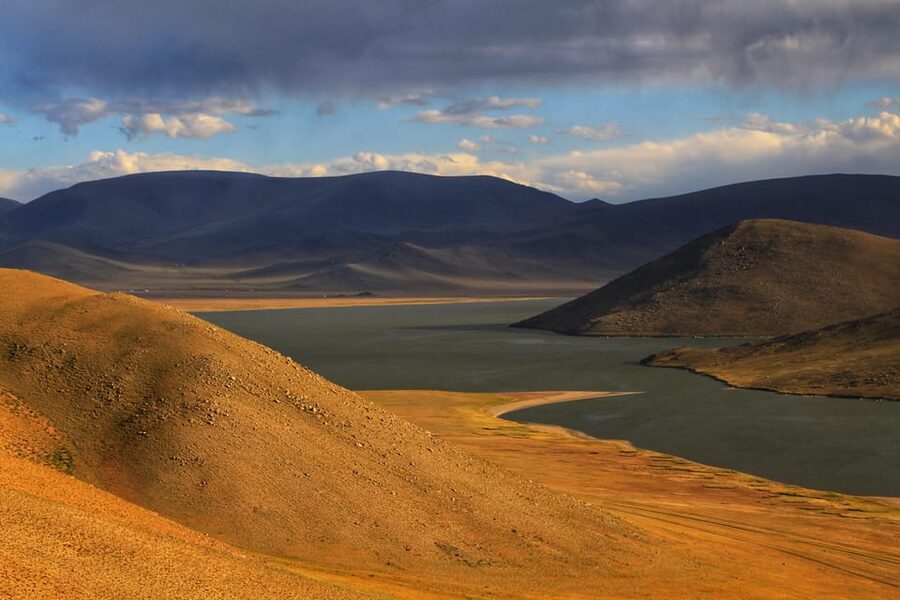
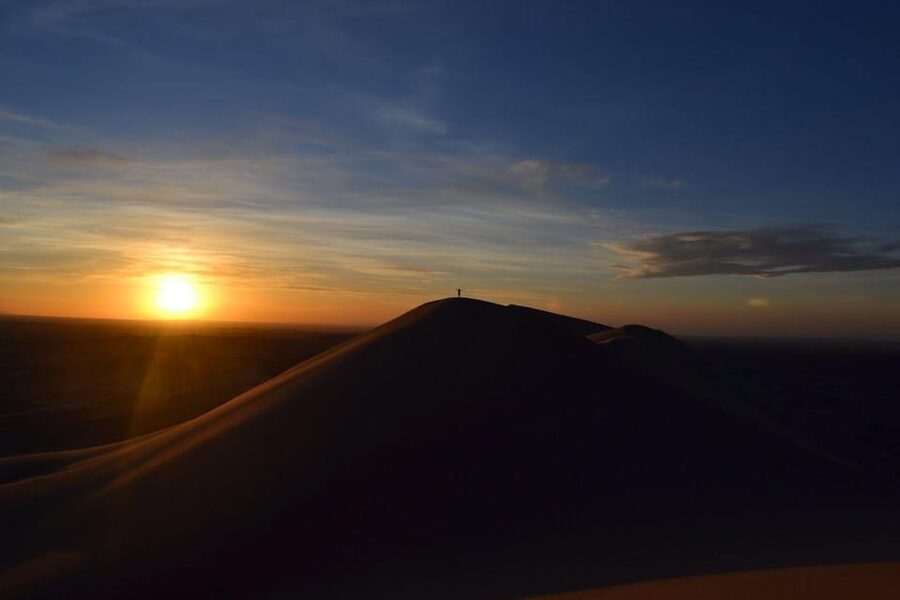
Khongor Sand Dunes are among the signature sights of the trip. These are the famous singing dunes, named for the low sound that can occur when sand moves down the slopes under the right conditions. You should not expect a guaranteed performance, but the dunes themselves are the main event.
The scale is hard to appreciate until you are close to them. Their clean curves and shifting surface create a very different view from the rock formations at Tsagaan Suvarga and Baga Gazriin Chuluu.
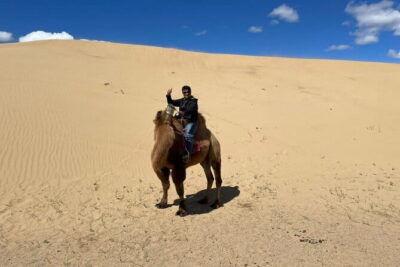
The camel ride is included, which gives you more than a photo stop. A camel moves slowly, so the ride is not about speed. It is about seeing the desert from a raised position and enjoying a traditional form of transport in the place where it makes the most sense.
If you are offered an eagle photograph, that is not included. Beer and some costly lunch stops are also extra. Keep a little cash available for personal purchases and optional activities.
Your ger hostel has a shower on this night. After a day around sand, that is a small luxury.
Day 5: Flaming Cliffs and the ruins of Ongi Monastery
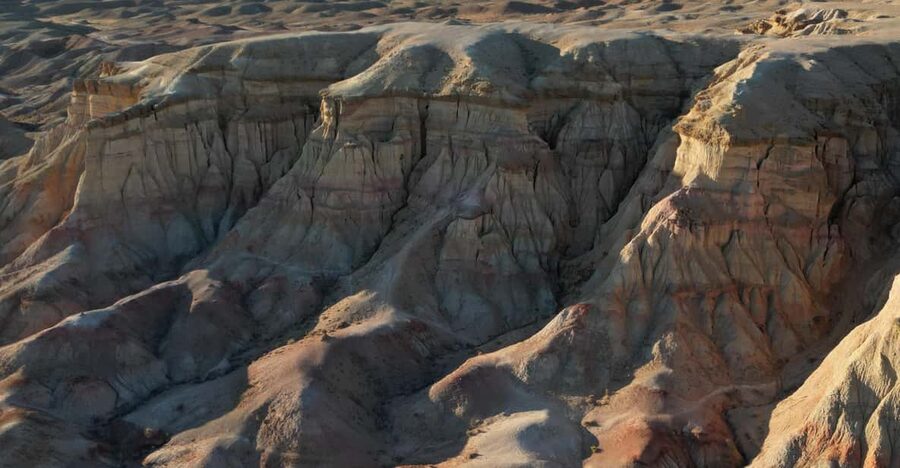
Bayanzag, better known as the Flaming Cliffs, brings a new color to the route. The red formations became famous for dinosaur fossils, and the area remains one of the Gobi’s best-known fossil sites. You are visiting a place where geology and paleontology are closely tied to the scenery.
The red cliffs are especially striking against the surrounding dry country. This stop works well after Khongor because it replaces the soft lines of the dunes with broken rock and sharp edges.
You then continue to Ongi Monastery. The site is known for its ruins and offers a chance to consider Mongolia’s Buddhist past. It is not simply another scenic stop. The remains point to a religious and cultural world that was damaged during the twentieth century, and the quiet setting gives the visit a reflective feel.
Accommodation includes a shower, with breakfast, lunch, and dinner provided. At this point, the route has already delivered several of the Gobi’s best-known sights, but you are not finished with Mongolia’s historical side.
Day 6: Orkhon Waterfall and horseback riding
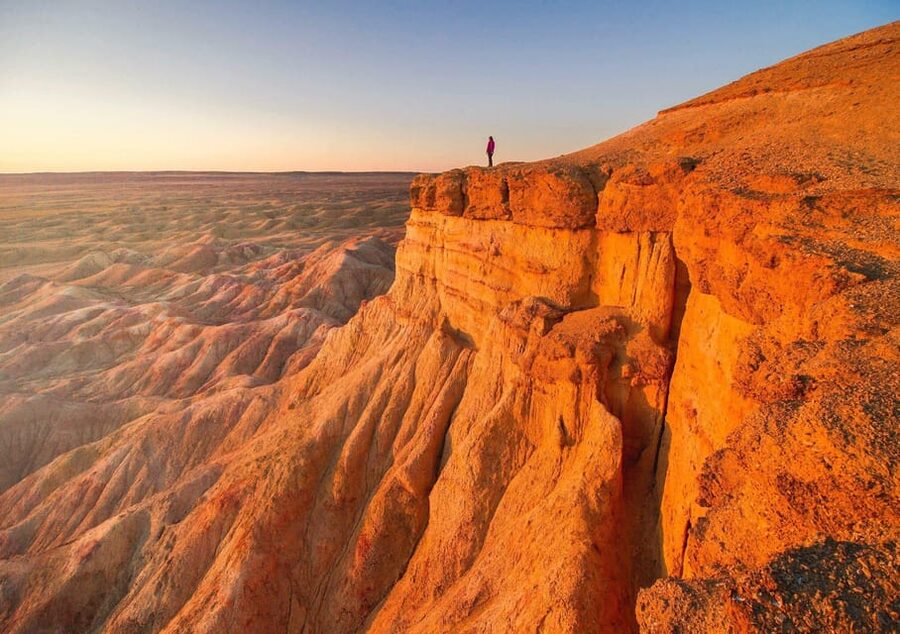
Day six changes the mood completely. Orkhon Valley is greener and more open than the Gobi, with broad grasslands and river country. The Orkhon Waterfall is the main natural sight, and the surrounding area is well suited to seeing Mongolia from horseback.
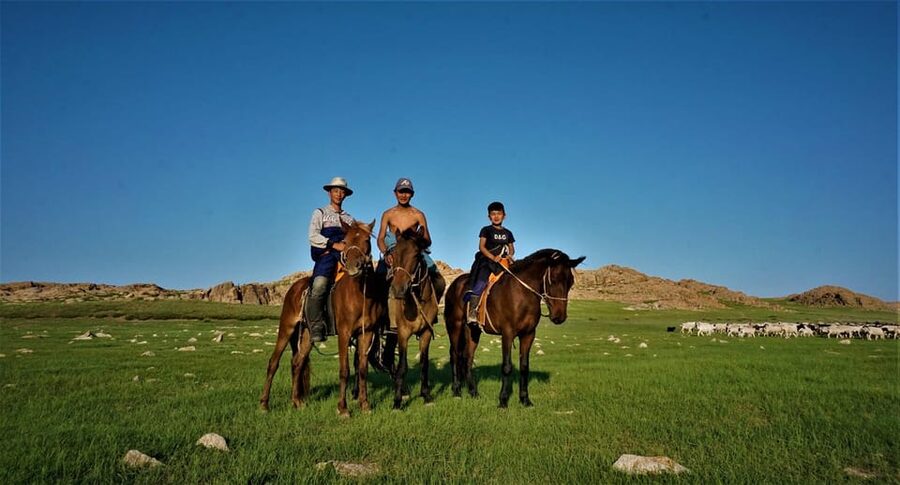
The horse ride is one of the trip’s most appealing activities. It is not merely transport between stops. Riding through Orkhon Valley connects you with the pastoral character of central Mongolia and gives you a slower way to look at the country.
You should be comfortable with the fact that animal activities are not polished theme-park attractions. The pleasure comes from the setting and the tradition of the ride, not from elaborate facilities or a tightly staged program.
This is another night without a shower. After the desert portion, the lack of facilities may be noticeable. The route does provide camping equipment, but you still need to manage your own comfort with warm clothes, medication, toiletries, and a towel.
Day 7: Kharkhorin and Erdene Zuu Monastery
Kharkhorin, also called Karakorum, was the ancient capital of the Mongol Empire. The modern town is not a preserved medieval capital, so keep your expectations sensible. The importance lies in the location and the historical role it played.
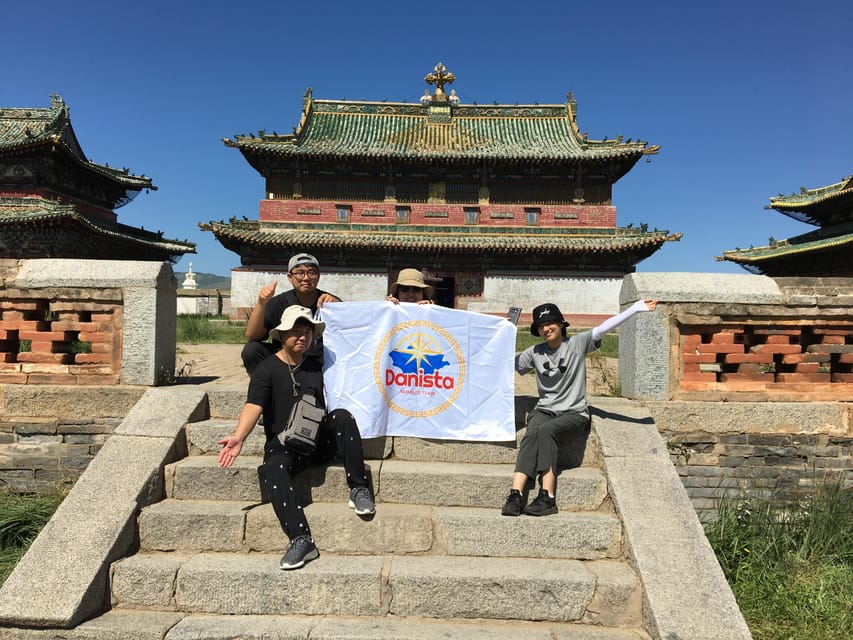
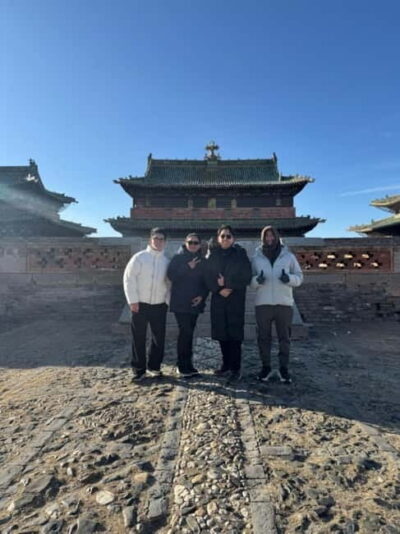
The highlight is Erdene Zuu Monastery, regarded as Mongolia’s first Buddhist monastery. Its presence gives the trip a strong cultural finish after the natural sights of the Gobi and Orkhon Valley.
This day is valuable because it adds context to what you have seen. The Gobi shows distance and survival. Orkhon shows pastoral life and open grasslands. Kharkhorin connects the route to Mongolia’s imperial and Buddhist past.
You sleep in a ger hostel with a shower, and all three meals are included. The following day returns you to Ulaanbaatar, so this is your last full night on the road.
Day 8: Returning to Ulaanbaatar
The final day includes breakfast, lunch, and transport back to Ulaanbaatar. You are dropped at your requested hotel, which makes the end of the trip straightforward.
After seven days of changing camps and long drives, returning to a city hotel may feel welcome. It also gives you an easy transition if you have a flight or another Mongolia activity planned, although the supplied information does not specify a precise arrival time. I would avoid booking a tight same-day international connection unless the operator confirms the schedule directly.
What the $1,425 price really covers
At $1,425 per person, this is not a bare sightseeing package. The price includes:
- Accommodation throughout the trip
- A driver and 4WD vehicle
- Petrol
- An English-speaking guide and cook
- All meals listed in the schedule
- 1.5 liters of bottled pure water each day
- National park and museum entrance fees
- Camping equipment
- Horse and camel riding
- Visa support and an invitation letter if needed
That collection of inclusions gives the tour solid value. Transport alone matters in Mongolia, where the route covers huge distances and ordinary roads can give way to rough tracks. Having a driver, guide, and cook also removes much of the planning burden.
You still need money for international or domestic flights, personal items, optional activities, alcohol, snacks, service tips, and some expensive lunch places. Travel insurance is not included. An eagle photograph is specifically extra, so do not assume every animal photo opportunity belongs to the package.
The value is strongest for someone who wants a guided route with meals handled and does not want to arrange separate camps, park entries, and transport. It is weaker for someone who prefers private hotels, restaurant choice, or a flexible schedule.
Ger camps, showers, roads, and other practical realities
The accommodation is a major part of the experience, and also the area most likely to surprise you. Some ger hostels have showers, while the camps on days three and six do not. Toilets are described as outhouses, and you may need to bring your own toilet paper and soap.
Beds can be less comfortable than you are used to, and nights may be cold. The provided sleeping bag helps, but it may not be enough for every person. Pack warm sleepwear, a fleece or insulated jacket, and a small supply of personal toiletries.
The vehicle is a 4WD, which is the right type of transport for this route. Even so, four-wheel drive does not make rough roads smooth. Long stretches can be tiring, particularly when the road is a rugged track and not a paved highway.
The guide and driver make a big difference on a trip like this. Zaya and Davaa are praised for friendly service and clear explanations, while Baina and Nomin are described as kind and easy-going. Zaya is also noted for explaining daily Mongolian life, which adds more value than simply pointing out scenic stops.
The company lists Korean, English, French, German, and Italian among its available languages. Confirm the language of your specific departure before paying, especially if you need a language other than English.
Who should book this Mongolia tour?
I would recommend it to you if you want a first look at Mongolia and prefer variety over comfort. It suits active adults who can manage long drives, basic accommodation, a trek, and two animal-riding activities.
It is also a good fit if you want the major Gobi highlights without arranging several local bookings yourself. The combination of White Stupa, Yol Valley, Khongor, Bayanzag, and Ongi Monastery covers the southern route well, while Orkhon Valley and Kharkhorin add central Mongolia.
I would hesitate if you need reliable showers every night, soft beds, paved roads, or short travel days. The activity is not suitable for babies under one year, and the supplied information says it is not suitable for people over 70, while also listing a restriction for people over 95. The safer reading is that the route is intended for people who can handle physically demanding travel and should be discussed directly with the operator if you have mobility concerns.
You can reserve and pay later, and cancellation is available up to 24 hours in advance for a full refund. Those terms help if your Mongolia plans are still moving, but they do not remove the need to check the pickup address and language before departure.
Should you book the Great Gobi and Central Mongolia tour?
Book it if your priority is seeing many sides of Mongolia in one organized trip. The camel ride at Khongor, horseback riding in Orkhon Valley, Flaming Cliffs, Yol Valley, and Erdene Zuu make this more than a desert drive. The strongest praise goes to the guides and drivers, who help turn difficult logistics into an enjoyable journey.
Skip it if comfort is your main concern. Cold gers, outhouse toilets, rough roads, and long hours in a 4WD are not minor details here. At $1,425, the tour offers good coverage and a useful set of inclusions, but you are paying for access to remote Mongolia, not polished resort conditions.
FAQ
Where does the tour begin?
Pickup is from your hotel in Ulaanbaatar. The driver and guide are scheduled to arrive at 9 a.m., and you should provide the pickup address in advance.
Where does the tour end?
The tour returns to Ulaanbaatar and includes drop-off at your requested hotel.
Are meals included?
Yes. Breakfast, lunch, and dinner are included on days two through seven. Day one includes lunch and dinner, while day eight includes breakfast and lunch.
Are camel and horse rides included?
Yes. Camel riding at Khongor Sand Dunes and horseback riding in Orkhon Valley are included in the tour price.
Is accommodation included?
Yes. Accommodation is provided during the trip in ger hostels. Some have showers, while the stays on days three and six do not.
What should I bring?
Bring personal medication, a camera, and a towel. Because the camps can be cold and some toilets are basic, warm clothing and personal toiletries are also sensible practical additions.
Is travel insurance included?
No. International and domestic airfare, travel insurance, personal items, optional activities, alcohol, snacks, service tips, and some expensive lunch places are not included.
Newly listed around Ulaanbaatar
- Ulaanbaatar Signature Tour – Mongolia’s Capital in One Day★ 4.3 · 3 reviews
- VIP Pick Up Or Drop Off Airport Transfer In Ulaanbaatar City (UB)★ 5.0 · 2 reviews
- Ulaanbaatar: 4-Day Central Mongolia Winter Tour★ 5.0 · 3 reviews
- Ulaanbaatar: Chinggis Khaan Museum Highlights Private Tour★ 5.0 · 2 reviews
- Private Transfer between New Ulaanbaatar International Airport and Ulaanbaatar★ 5.0 · 4 reviews
- Private – Ulaanbaatar City Tour★ 3.5 · 3 reviews
- Transfer service to Terelj national park★ 5.0 · 3 reviews
- A Day Authentic Mongolian Trip near Ulaanbaatar all-inclusive★ 5.0 · 3 reviews
Gobi Desert Tours, compared.
Semi-Gobi and Kharkhorum overnight private trip
Read our review →
Travel to Gobi by train Visit World energy Center
Read our review →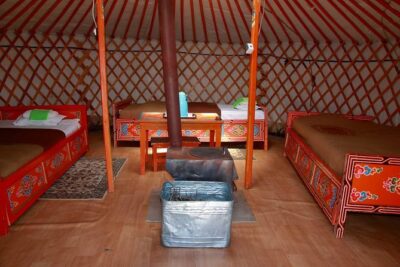
Browse the lists this tour appears in