
Reviewed · GER CAMP & NOMAD STAYS
Cooking Class in a Traditional Ger Home in Ulaanbaatar Suburbs
A meal can open Mongolia’s door. This five-and-a-half-hour visit takes you from your Ulaanbaatar hotel to Bee and Soy’s family ger, about 5 kilometers from the city center, where you cook handmade noodle soup and steamed dumplings from family recipes. I like the private setting and the chance to spend real time with local hosts instead of simply watching a demonstration. I also like that the food, customs, family life, and traditional games all form part of the visit.
The main drawback is that this is not a polished restaurant class with a fixed menu or a formal teaching kitchen. The menu changes with the season, the journey into the ger district may involve a taxi, local bus, or walking, and sheep meat is part of the traditional food experience unless you request a vegetarian option in advance. At $199 per person, it is a serious purchase, but the price includes hotel transfers and several hours of personal cultural exchange.
In This Review
- Why This Ger Visit Is Worth Your Afternoon
- From Your Hotel to a Family Ger About 5 Kilometers Away
- Nettle Tea and the Welcome Inside the Ger
- Making Noodle Soup and Dumplings by Hand
- Eating the Meal You Helped Prepare
- Shagai, Songs, and the Details Food Alone Cannot Teach
- What the $199 Price Really Buys You
- Who Will Enjoy This Most
- Practical Tips for a Better Afternoon
- The Main Strengths and Limits at a Glance
- Should You Book Bee and Soy’s Ger Cooking Class?
- FAQ
- How long does the cooking class last?
- Where does the experience take place?
- Is hotel pickup included?
- What food will I learn to cook?
- Is a vegetarian option available?
- Can I cancel for a full refund?
Why This Ger Visit Is Worth Your Afternoon
- Bee and Soy welcome you into their family ger, rather than meeting you in a commercial cooking studio.
- You prepare Mongolian food from scratch, including handmade noodle soup and steamed dumplings.
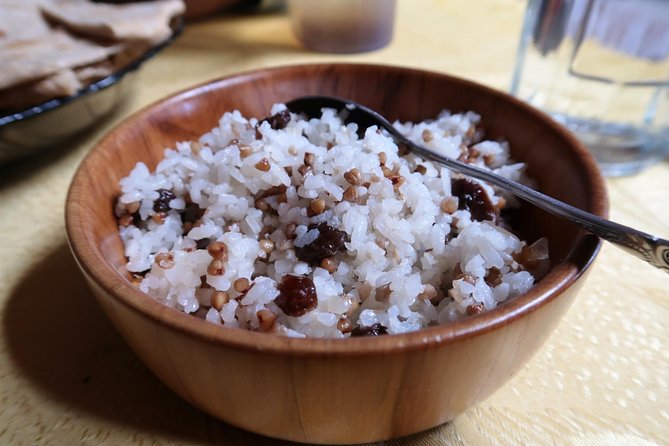
- Warm nettle tea made from plants gathered on a nearby mountain starts the visit.
- Sheep meat and traditional food beliefs help explain how Mongolians use local ingredients and avoid waste.
- Shagai, a knuckle bone game, gives you a hands-on look at a pastime passed through generations.
- Hotel pickup and drop-off make a visit outside central Ulaanbaatar easier to arrange.
From Your Hotel to a Family Ger About 5 Kilometers Away
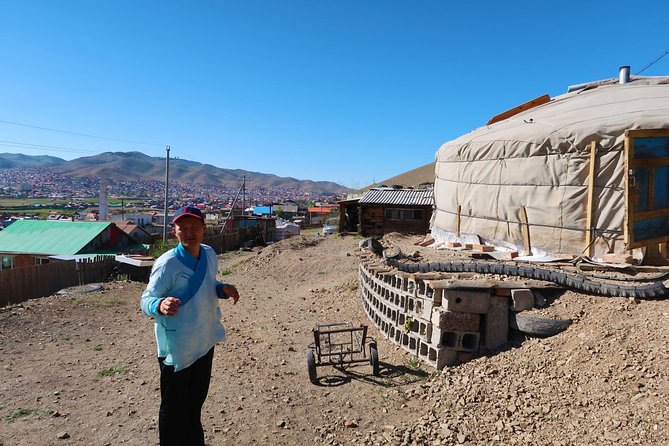
The experience begins with a meeting at your Ulaanbaatar hotel. Bee joins you there and travels with you to his family’s ger by car, taxi, or public transport. Some arrangements include a combination of taxi, local bus, and a short walk uphill, so you should allow a little flexibility rather than expecting a direct luxury transfer.
That journey matters. You are not simply being driven to a staged cultural center. You pass from the central city toward a ger district where local families live, giving you a glimpse of everyday Ulaanbaatar beyond the main tourist streets. Several people have found this neighborhood setting one of the most useful parts of the afternoon.
The ger itself is a round, felt-covered home traditionally used by nomadic families across Mongolia. Inside, the circular shape, compact layout, and household objects give context to the food you are about to prepare. I find that cooking in the home makes the cultural discussion easier to understand because customs are connected to things you can see and touch.
If you are arriving from the airport or have a tight schedule, check your timing carefully. One account describes a long airport-to-hotel transfer that delayed the start, while Bee waited patiently. That speaks well of the hosts, but it also shows why you should not place this activity too close to another fixed departure.
More ger camp and nomad family stays:
- From Ulaanbaatar: Semi Gobi, Nomads, Ancient Kharkhorin Tour
★ 4.6 · 84 reviews - MONGOLIAN NOMADS: 2-Day Horse Trekking & Cow Milking Tour
★ 4.8 · 23 reviews - Mongolia Nomad Trek • On-Foot & Horseback ~ 15 Day
★ 5.0 · 5 reviews
Nettle Tea and the Welcome Inside the Ger
Bee and his wife, Soy, greet you with warm nettle tea gathered from a nearby mountain. It is a small serving, but it sets the tone: local food begins with what grows around the community, not with an imported welcome drink selected for tourists.
The opening conversation covers Mongolian customs, daily life, and food traditions. Bee often explains how people think about particular cuts of meat, seasonal eating, and the value of using an animal carefully. You might hear why different sweet meats are linked with different times of year, or why sheep raised on open pasture are valued for the herbs and plants they eat.
This is also a social visit. You are encouraged to ask questions, and the conversation can move from cooking to Mongolian history, modern life, family customs, or your own home country. That personal exchange is one of the strongest reasons to choose this experience over a standard food tour.
The atmosphere is warm and informal, but do not confuse informal with unstructured. The hosts guide the afternoon through tea, preparation, cooking, eating, games, and sometimes music. Still, the exact rhythm can vary because this takes place in a family home.
Making Noodle Soup and Dumplings by Hand
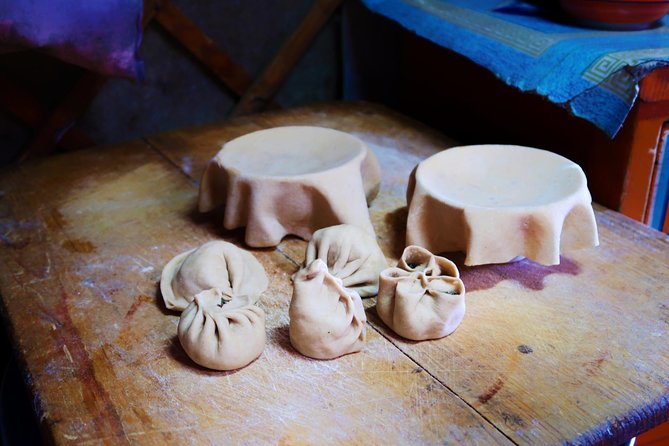
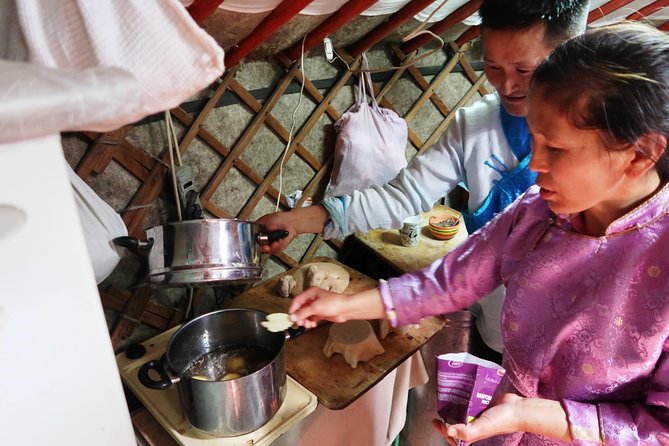
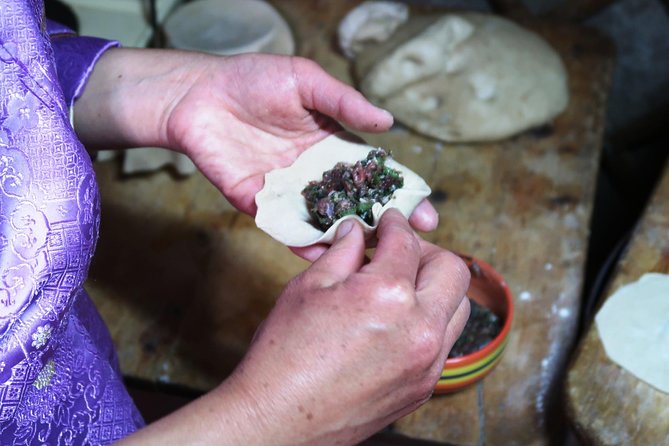
The cooking portion is practical. You work with fresh ingredients and help prepare classic Mongolian dishes from scratch. Handmade noodle soup and steamed dumplings are central examples, although the menu can change by season.
You may roll and shape dumplings, prepare the filling, and work through the steps needed for the soup. Past menus have included sheep heart and sheep rump in dumplings, along with soup and other sheep meat. That detail is important if you want a traditional meal, because Mongolian cooking often uses cuts that may be unfamiliar to you.
I like the fact that the class allows you to fumble a little. You are not watching a chef produce perfect dumplings while you stand at a safe distance. Bee and Soy demonstrate the method, then patiently let you try. The result may not look flawless, but the food feels more satisfying because you helped make it.
The class also explains why ingredients matter. Sheep tail fat, for example, is discussed as soft and easy to digest, while the use of different cuts reflects a culture where wasting useful food is taken seriously. These details turn a simple dumpling into a lesson about pastoral life.
The menu is not fixed, so you should tell the provider about allergies, dietary restrictions, or cooking preferences when you book. A vegetarian option is available, but advance notice is required. If you do not eat meat, make this request clearly and early rather than hoping the menu will change on arrival.
Eating the Meal You Helped Prepare
After cooking, you sit inside the ger and eat the food together. The meal may include noodle soup, steamed dumplings, and sheep meat. It is served in the same family setting where you cooked, not carried away to a separate dining room.
This shared meal is where the afternoon becomes more than a lesson in technique. Food gives you a natural reason to keep talking, and Bee and Soy use that time to explain customs, beliefs, ingredients, and daily routines. You can also tell them about your own culture, so the exchange feels like a meal with new friends rather than a lecture.
Some menus include special dishes made for visitors, and the exact food depends on season and availability. That can be a plus if you want a genuine home meal, but it may disappoint anyone who expects a printed menu or restaurant-style consistency.
Portions and presentation are not described in a formal dining sense, and this is not the place for elaborate plating. I would choose it for homemade flavor, conversation, and cultural context, not for culinary sophistication. The value is in the connection between the food and the family home.
A few more Ulaanbaatar departures worth comparing
- From Ulaanbaatar: Genghis Khan Statue NationalPark CamelRide
★ 4.8 · 353 reviews - Genghis Khan Statue Day Tour+National Park+Camel Ride+Eagle
★ 4.5 · 261 reviews - From Ulaanbaatar: Central Mongolia Guided 3-Day Tour
★ 4.6 · 186 reviews - Ulaanbaatar: Small Group 3-Day Best of Central Mongolia Tour
★ 4.1 · 171 reviews
Shagai, Songs, and the Details Food Alone Cannot Teach
The visit ends with shagai, a traditional Mongolian game played with animal knuckle bones. Bee explains how bones can be used for games, toys, and practical household purposes. This is a memorable way to see how everyday materials acquire meaning in Mongolian life.
Depending on the flow of the afternoon, the hosts may also sing traditional songs. Music has appeared at the close of some visits, sometimes as a cheerful way to finish the meal and help with digestion. It is not presented as a staged performance, which is precisely why it feels personal.
You might also take a short walk around the neighborhood with Bee after eating. That is not guaranteed as a separate part of the program, but it has been included when time and circumstances allowed. If you are curious about the surrounding ger district, ask politely.
These final moments are easy to overlook when comparing tours online. For me, they are a major part of the value. Noodle-making teaches you a skill, but a bone game, a song, and a conversation about how families live give you a better sense of the country.
What the $199 Price Really Buys You
The listed price is $199 per person, and the experience is private, so only your own group takes part. That is far more than the cost of a group food walk or a basic cooking demonstration. You are paying for personal attention, transport from your hotel, a prepared meal, ingredients, and roughly five and a half hours with two local hosts.
The value depends on your priorities. If you want several dishes, professional kitchen equipment, or a low-cost introduction to Mongolian food, this may feel expensive. If you want a direct connection with a local family and a fuller picture of life outside central Ulaanbaatar, the price becomes easier to justify.
I would compare it with the cost of arranging a private guide, transport, a meal, and a cultural visit separately. Doing that would still not guarantee the same access to a family home. Here, the cooking gives the visit a clear purpose and helps conversations develop naturally.
The five-hour-thirty-minute duration is another strength. There is enough time to travel out, settle in, cook, eat, talk, and play shagai without rushing through each stage. It is best treated as a half-day centerpiece, not a quick stop between museum visits.
Who Will Enjoy This Most
I recommend this to you if you want to understand Mongolia through ordinary family life. It suits people who enjoy asking questions, trying unfamiliar food, and taking part in a relaxed social setting.
It is especially good for:
- First-time visitors to Ulaanbaatar who want an early connection with local life.
- Couples and small private groups who value a personal setting.
- Food-minded visitors who want to make dumplings and noodles instead of only eating them.
- Cultural learners interested in customs, beliefs, family life, and modern Mongolia.
- Vegetarians, provided the dietary request is made at booking.
- People with an open schedule, since public transport and neighborhood walking can make the timing less exact.
You may not enjoy it as much if you prefer a fast, polished tour with a guaranteed menu. It also may not suit someone who is uncomfortable with sheep meat, compact home cooking, or a long conversation-based visit.
The class is not just about eating familiarized versions of Mongolian dishes. You may encounter sheep heart, rump, tail fat, nettle tea, or other ingredients tied to local customs. That is part of its strength, but it is worth knowing before you reserve.
Practical Tips for a Better Afternoon
Tell the provider about allergies, dietary restrictions, and cooking preferences when booking. Vegetarian food is possible, but last-minute changes may not be accepted.
Keep your schedule open around the five-and-a-half-hour estimate. The standard plan includes hotel pickup and return, but the route may use a car, taxi, public bus, and a short walk.
Wear clothes you can cook in. This is a home kitchen, not a formal cooking school, so comfort and practicality matter more than dressing up.
Bring questions. Bee is happy to explain Mongolian food, city life, customs, and history, and Soy adds to the warm family welcome. The more curious you are, the more you will get from the visit.
Remember that the menu changes with the season. I would treat that as part of the experience rather than a problem, since the food reflects what the hosts normally cook and serve.
The cancellation policy is generous if your plans change: you can receive a full refund when you cancel at least 24 hours before the start time. Cancellations or changes made within 24 hours are not accepted for a refund.
The Main Strengths and Limits at a Glance
The strongest feature is the hosts. Bee and Soy are repeatedly praised for being warm, patient, genuine, and generous with their time. Their hospitality makes the home setting feel natural rather than staged.
The second strength is the range of cultural detail. You learn about cooking, but also about seasonal ingredients, animal use, family customs, ger life, local games, and sometimes traditional songs.
The third strength is the private format. You can ask questions freely, shape the conversation, and receive direct help while cooking. A large group would change the feeling of the visit, so the private arrangement adds real value.
The main limitation is the cost. At $199 per person, this is a premium half-day activity. You should book it for the relationship and cultural access, not simply because you want lunch.
The other limitation is the lack of a fixed menu. That may be ideal for an authentic home meal, but less useful if you need predictable dishes or have strict food requirements. Contact the provider before booking if food is a serious concern.
Should You Book Bee and Soy’s Ger Cooking Class?
I would book this experience if you have one free afternoon in Ulaanbaatar and want something more personal than the city’s usual sights. The perfect rating from 84 ratings and a 100 percent recommendation rate fit the experience’s strongest qualities: kind hosts, patient instruction, delicious home cooking, and unusually direct cultural contact.
I would skip it only if $199 is beyond your budget, you want a formal culinary course, or you cannot accommodate a flexible menu. For everyone else, this is one of the better ways to connect a plate of dumplings with the people, customs, and daily choices behind it.
FAQ
How long does the cooking class last?
The experience lasts approximately 5 hours and 30 minutes, including transportation, cooking, the shared meal, conversation, and traditional activities.
Where does the experience take place?
It takes place in Bee and Soy’s traditional ger home about 5 kilometers from central Ulaanbaatar, in the city’s suburban ger district.
Is hotel pickup included?
Yes. Round-trip transfers from your Ulaanbaatar hotel are included. Travel may be by car, taxi, or public transport.
What food will I learn to cook?
The dishes may include handmade noodle soup and traditional steamed dumplings. The menu changes with the season and may also include sheep meat.
Is a vegetarian option available?
Yes. A vegetarian option is available, but you must advise the provider when booking.
Can I cancel for a full refund?
Yes, if you cancel at least 24 hours before the experience start time. Cancellations or changes made less than 24 hours before the start time are not refunded or accepted.
Newly listed around Ulaanbaatar
- Ulaanbaatar Signature Tour – Mongolia’s Capital in One Day★ 4.3 · 3 reviews
- Ulaanbaatar: 4-Day Central Mongolia Winter Tour★ 5.0 · 3 reviews
- Ulaanbaatar: Chinggis Khaan Museum Highlights Private Tour★ 5.0 · 2 reviews
- VIP Pick Up Or Drop Off Airport Transfer In Ulaanbaatar City (UB)★ 5.0 · 2 reviews
- Private Transfer between New Ulaanbaatar International Airport and Ulaanbaatar★ 5.0 · 4 reviews
- Private – Ulaanbaatar City Tour★ 3.5 · 3 reviews
- Transfer service to Terelj national park★ 5.0 · 3 reviews
- A Day Authentic Mongolian Trip near Ulaanbaatar all-inclusive★ 5.0 · 3 reviews
Ger Camp & Nomad Stays, compared.
MONGOLIAN NOMADS: 2-Day Horse Trekking & Cow Milking Tour
Read our review →
Mongolia Nomad Trek • On-Foot & Horseback ~ 15 Day
Read our review →
Browse the lists this tour appears in