
Reviewed · MONGOLIA
3 Day Best Experience in Mongolia
Three days, two animals, one sweeping slice of Mongolia. This tour links camel riding at Elsen Tasarkhai with the ancient capital of Kharakhorin, giving you both open-steppe adventure and Buddhist culture. I like the small group limit of five, and I like that local family stays are part of the plan rather than an optional add-on.
The main consideration is the long driving time, especially the 360-kilometre return to Ulaanbaatar. Guide quality may also vary. Melody has been praised for making nomadic life easy to understand, while one recent booking found a young guide less informative than expected.
In This Review
- Key points before you book
- What this three-day Mongolia tour really offers
- Day 1: From Ulaanbaatar to Hustai and Khugnu Khan
- Day 2: Erdene Zuu and the old capital of Kharakhorin
- Day 3: A 360-kilometre return and tea with a family
- Zaisan Hill and the Winter Palace need clarification
- Accommodation, meals, and what to pack
- The guide can shape the whole experience
- Is $650 a fair price for three days?
- Who should book this Mongolia experience?
- FAQ
- How long is the tour?
- Where does the tour start?
- What languages are available for the guide?
- How many people are in the group?
- Is camel riding included?
- Is horse riding included?
- Are meals and accommodation included?
- Are entrance fees included?
- Can I cancel the booking for a full refund?
- Should you book it?
Key points before you book
- Camel riding in the Elsen Tasarkhai dunes: Ride across small sand dunes set among Mongolia’s open steppe.
- Hustai National Park: Look for wild Przewalski horses, known locally as takhi, in their natural setting.
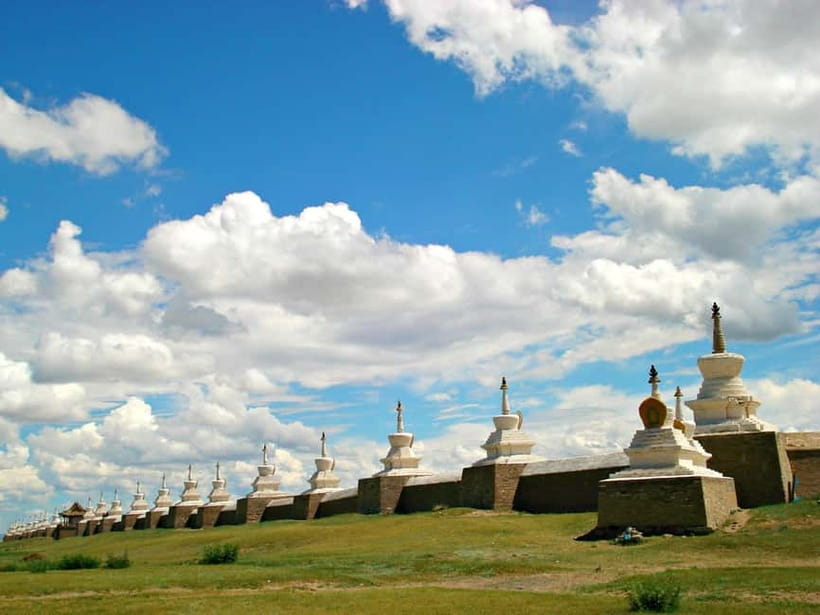
- Erdene Zuu Monastery: Visit Mongolia’s oldest Buddhist monastery near the former Mongol capital.
- Local family hospitality: Share tea and a meal in a ger, and see how a Mongolian household lives.
- Small groups of five: A compact vehicle and group should make stops easier to manage.
- $650 per person: The price covers transport, accommodation, meals, guide services, park and museum fees, water, and listed riding activities.
What this three-day Mongolia tour really offers
This is a compact introduction to central Mongolia. You will not see every major sight, and you will spend a fair amount of time on the road. But you will reach several places that explain Mongolia well: open grassland, wild horses, sand dunes, Buddhist heritage, the old Mongol capital, and present-day nomadic life.
I see the trip as a bridge between sightseeing and cultural contact. You are not only taken to a monastery, photographed beside a dune, and sent back to the city. You also sleep in ger hostels, eat traditional meals, and stop at a local household for tea.
The group size matters here. With no more than five participants, you can ask questions without having to shout across a bus. It also makes hotel pick-up and roadside stops less cumbersome. The tradeoff is that the vehicle becomes your main base for much of the trip, so you should be comfortable with long drives and simple accommodation.
The tour costs $650 per person. That is not a budget day trip, but the package includes a driver, vehicle, fuel, English-speaking guide and cook, accommodation, meals shown in the schedule, bottled water, national park and museum entrance fees, camping equipment, and horse-related activity. Visa support and an invitation letter are also offered if you need them.
International and domestic flights are not included. You also pay for personal items, optional activities, alcohol, snacks, travel insurance, and a service tip. The value is strongest if you want a ready-made three-day trip rather than arranging transport, lodging, meals, and entries separately.
A few more Mongolia departures worth comparing
- From Ulaanbaatar: Central Mongolia Guided 3-Day Tour
★ 4.6 · 186 reviews - Ulaanbaatar: Small Group 3-Day Best of Central Mongolia Tour
★ 4.1 · 171 reviews - Central Mongolia Guided 3-Day Comfortable Tour
★ 4.5 · 37 reviews
Day 1: From Ulaanbaatar to Hustai and Khugnu Khan
Your trip begins with hotel pick-up in Ulaanbaatar. You need to provide the hotel address in advance, and the operator sends a driver and guide to meet you there. The exact starting time depends on availability, so confirm it before the day of departure.
The first major stop is Hustai National Park. This is one of the best-known places in Mongolia for seeing Przewalski horses, or takhi. These are the wild horses that give the park much of its appeal, and the setting also introduces you to the broad grasslands that define this part of the country.
You should bring binoculars if wildlife interests you. Sightings are never something to treat as guaranteed, and the tour information does not promise a particular number of horses. Still, this stop adds a natural-history element that makes the trip more than a simple drive to the dunes.
From Hustai, the route continues toward Khugnu Khan National Park. The park combines mountains, steppe, and sand, so the scenery changes without requiring you to cross half the country. That mix is a useful reminder that Mongolia is not only endless grassland. The country can shift from rocky hills to open pasture and then to sand within a relatively short route.
The day’s most playful stop is Elsen Tasarkhai. These are smaller dunes rather than the vast desert formations many people picture when they hear Mongolia. Their setting among the steppe makes them especially appealing for photographs, and the camel ride gives you a direct way to experience the area instead of simply looking at it from the vehicle.
The camel activity is one of the clearest reasons to choose this tour. You will ride through the dune area, with time for photographs. The information also describes a horse ride and lists horse activity among the inclusions, but the day-by-day plan specifically details the camel ride, not a separate horse excursion. If riding both animals is important to you, ask the operator exactly when and where the horse ride takes place.
After the day’s sightseeing, you have a traditional Mongolian dinner and spend the night in a local family ger hostel. This is an important part of the experience. A ger stay is not the same as a standard hotel, and you should expect a more basic setting. In return, you get a closer look at Mongolian hospitality and a setting connected to the country’s pastoral culture.
The food is described as traditional Mongolian cooking, with the guide or cook handling meals during the trip. Vegetarian, allergy, and other food requirements are not specified, so raise them before booking rather than assuming the menu can be changed.
Day 2: Erdene Zuu and the old capital of Kharakhorin
Day two takes you about 80 kilometres to Kharakhorin, also written as Karakorum or Khar Khori n in different English spellings. This was the capital of the Mongol Empire, and the area gives the trip its strongest historical focus.
The key stop is Erdene Zuu Monastery, widely regarded as Mongolia’s oldest Buddhist monastery. It is also a UNESCO World Heritage site and occupies an important place in the country’s religious story. The monastery was built in the area of the former imperial capital, so one visit connects Buddhist Mongolia with the age of the Mongol Empire.
You should allow yourself time to look beyond the headline association with Genghis Khan. The value of Erdene Zuu is not only its link to the empire. It also helps explain the later Buddhist traditions that shaped Mongolian culture. The compound and its religious importance give you a different view of the country from the one offered by horse riding and open country.
A stop at the Kharakhorin Museum adds objects and exhibits connected with the old capital. The museum is useful because the remains of an ancient city can be difficult to understand from scattered sites alone. Displays can give shape to what you are seeing outside, especially if you have limited time in the region.
The schedule also allows for city sightseeing, local markets, and other cultural points in Kharakhorin. The exact list of stops is not fixed in the information provided, so do not expect a detailed hour-by-hour program. Ask your guide which sights are planned on your departure date.
The overnight stay is again in a ger hostel. This keeps the experience consistent, but it also means you should pack for simple accommodation rather than expecting a full-service hotel. A change of clothes and comfortable clothing are specifically recommended. Cash is useful for personal purchases, and alcohol and snacks are not included.
The second night is also a good time to ask questions. If your guide is like Melody, you may get a thoughtful introduction to life in a ger and to local customs. If your guide is less talkative, the museum and monastery still provide substance, but you may need to ask direct questions to get the most from the visit.
Day 3: A 360-kilometre return and tea with a family
The final day is mainly a return drive to Ulaanbaatar. At 360 kilometres, it is a serious stretch of road, not a short transfer with a few casual stops. You should keep this in mind when comparing the tour with longer programs that spend more nights outside the capital.
The stop that breaks up the journey is a visit to a local Mongolian family. You share tea and learn about the household’s way of life. This may be the most personal moment of the trip because it moves you from prepared attractions into an ordinary family setting.
The experience is intentionally simple. You are not promised a staged performance or a formal workshop. You are visiting a household, drinking tea, and listening. That can make the encounter feel more genuine, but it also depends on communication, timing, and the guide’s ability to explain what you are seeing.
After the family visit, you continue to Ulaanbaatar and receive a hotel drop-off. The trip therefore works best if you have a free evening or a flexible plan after arrival. Do not schedule a tight flight or an important appointment immediately after the expected return unless you have confirmed the timing with the operator.
A very different day on the same map:
- From Ulaanbaatar: Genghis Khan Statue NationalPark CamelRide
★ 4.8 · 353 reviews - Genghis Khan Statue Day Tour+National Park+Camel Ride+Eagle
★ 4.5 · 261 reviews - Terelj national park transport /Best price tour
★ 4.7 · 135 reviews - Ulaanbaatar: Chinggis Khaan Statue and Turtle Rock Day Tour
★ 4.7 · 132 reviews
Zaisan Hill and the Winter Palace need clarification
Zaisan Hill and the Winter Palace are listed among the tour highlights, but they are not assigned to a specific day in the detailed schedule. The main three-day program clearly describes Hustai National Park, Khugnu Khan, Elsen Tasarkhai, Kharakhorin, Erdene Zuu, the museum, and a local family visit.
If Zaisan Hill or the Winter Palace is a priority, ask whether these are included in your exact departure plan or are general highlights connected with the wider Ulaanbaatar program. This is a small but important point. A tour page can list more attractions than a short route has time to cover.
Zaisan Hill is associated with city views, while the Winter Palace adds another cultural sight in Ulaanbaatar. Both may be worthwhile, but you should not assume they are guaranteed stops during this three-day route without confirmation.
Accommodation, meals, and what to pack
Accommodation is provided for both nights, with stays in ger hostels. This is one of the tour’s cultural strengths, but comfort levels may be simpler than in Ulaanbaatar. You should pack practical clothing, a change of clothes, a charged smartphone, a camera, and cash.
Binoculars are a smart addition for Hustai National Park. Bottled pure water, 1.5 litres per day, is included, but you may still prefer to carry a refillable bottle for convenience.
Meals shown in the schedule are included, including the traditional Mongolian dinner on the first night. Alcoholic drinks and snacks are not covered. The tour also supplies camping equipment, though the listed overnight plan refers to ger hostels rather than a fully detailed camping schedule. Ask what equipment is needed if your booking includes any outdoor sleeping arrangement.
Comfortable clothes matter more than stylish ones here. You will be riding, spending time outside, entering religious and museum sites, and sitting in a vehicle for long periods. Your camera and phone will be useful, but remember to keep your phone charged before leaving Ulaanbaatar.
The guide can shape the whole experience
The tour is offered with a live guide in English, Japanese, Korean, or Chinese. A guide who explains nomadic life well can add a great deal, especially during the ger stay and family visit.
Melody is specifically praised for introducing ger life and explaining the monastery connected with the old capital. That sort of interpretation is exactly what helps the trip feel connected rather than like a string of photo stops.
Still, the guiding experience may not be identical on every departure. One booking found the guide young and not especially informative, even though the places and activities were excellent. My advice is simple: ask questions, especially at Hustai, Erdene Zuu, and the Kharakhorin Museum. Also confirm your preferred guide language and whether a cook is accompanying the group.
The small group limit of five is a useful advantage. You have a better chance of speaking directly with the guide and adjusting the pace slightly than you would in a large coach group. It does not remove the uncertainty that comes with individual guide styles, but it gives you a better setting for conversation.
Is $650 a fair price for three days?
At $650 per person, this tour is priced as a packaged cultural and adventure trip rather than a basic transport service. You are paying for a vehicle and fuel across a considerable route, two nights of accommodation, meals, a guide and cook, water, park and museum entries, and riding activities.
The package also includes visa support and an invitation letter if needed. That may be useful for some visitors, though it does not replace the need to arrange your own international or domestic flights, travel insurance, and personal spending money.
The price makes the most sense if you value convenience and want several major experiences combined: wild horses, camels, a monastery, a museum, ger accommodation, and a family visit. It is less attractive if you dislike long drives, want polished hotels, or prefer to spend more time in one place.
The rating is 4.6 from three reviews, with especially strong praise for the locations, activities, and Melody’s cultural introductions. The lower score focused on limited guide information rather than poor sights or a failed activity. That distinction matters. The route itself appears to be the stronger part of the product, while the interpretation may depend on who leads your departure.
Who should book this Mongolia experience?
You should consider this tour if you have only three days outside Ulaanbaatar and want a broad sample of central Mongolia. It suits people who enjoy open spaces, simple lodging, animal rides, Buddhist sites, and direct contact with local families.
It is also a good fit for first-time visitors who do not want to arrange a driver, fuel, meals, park entries, and accommodation on their own. The small group can make the trip feel more personal, and the included guide reduces the work involved in crossing a large country.
You may want a longer or slower trip if you dislike sitting in a vehicle for hours. You should also look elsewhere if you need luxury accommodation, a tightly timed schedule, or guaranteed detailed historical commentary at every stop.
Before paying, confirm four points: the exact starting time, the schedule for Zaisan Hill and the Winter Palace, whether a horse ride is definitely included alongside the camel ride, and the type of accommodation in each ger hostel. Those questions will prevent the main surprises.
FAQ
How long is the tour?
The tour lasts three days.
Where does the tour start?
Pick-up is provided from your hotel in Ulaanbaatar. You need to send the hotel address so the driver and guide can meet you.
What languages are available for the guide?
Live guides are available in English, Japanese, Korean, and Chinese.
How many people are in the group?
The tour is limited to five participants.
Is camel riding included?
Yes. Camel riding at the Elsen Tasarkhai sand dunes is part of the program.
Is horse riding included?
Horse activity is listed among the inclusions, and the overview refers to riding a horse and camel. The detailed daily schedule specifically describes the camel ride, so you should confirm the exact horse-riding arrangements before booking.
Are meals and accommodation included?
Yes. Accommodation during the trip and meals shown in the schedule are included. The overnight stays are described as ger hostels.
Are entrance fees included?
Yes. Entrance fees for national parks and museums are included.
Can I cancel the booking for a full refund?
You can cancel up to 24 hours in advance for a full refund. The tour also offers reserve-now, pay-later booking.
Should you book it?
I would book this tour if you want a compact, active introduction to Mongolia and accept long drives and simple ger accommodation. The strongest parts are the mix of wild horses, dunes, camels, Erdene Zuu, and time with a local family.
I would pause before booking if the horse ride, Zaisan Hill, or the Winter Palace is essential to your plans. Confirm those details first. If the answers are clear, $650 buys a well-filled three days with transport, food, lodging, entries, and cultural contact already arranged.
Newly listed around Mongolia
- Ulaanbaatar Signature Tour – Mongolia’s Capital in One Day★ 4.3 · 3 reviews
- VIP Pick Up Or Drop Off Airport Transfer In Ulaanbaatar City (UB)★ 5.0 · 2 reviews
- Ulaanbaatar: 4-Day Central Mongolia Winter Tour★ 5.0 · 3 reviews
- Ulaanbaatar: Chinggis Khaan Museum Highlights Private Tour★ 5.0 · 2 reviews
- Private – Ulaanbaatar City Tour★ 3.5 · 3 reviews
- Private Transfer between New Ulaanbaatar International Airport and Ulaanbaatar★ 5.0 · 4 reviews
- Transfer service to Terelj national park★ 5.0 · 3 reviews
- A Day Authentic Mongolian Trip near Ulaanbaatar all-inclusive★ 5.0 · 3 reviews